5 Signs Your Senior Dog Needs a Vet Visit — Even If They Seem Fine

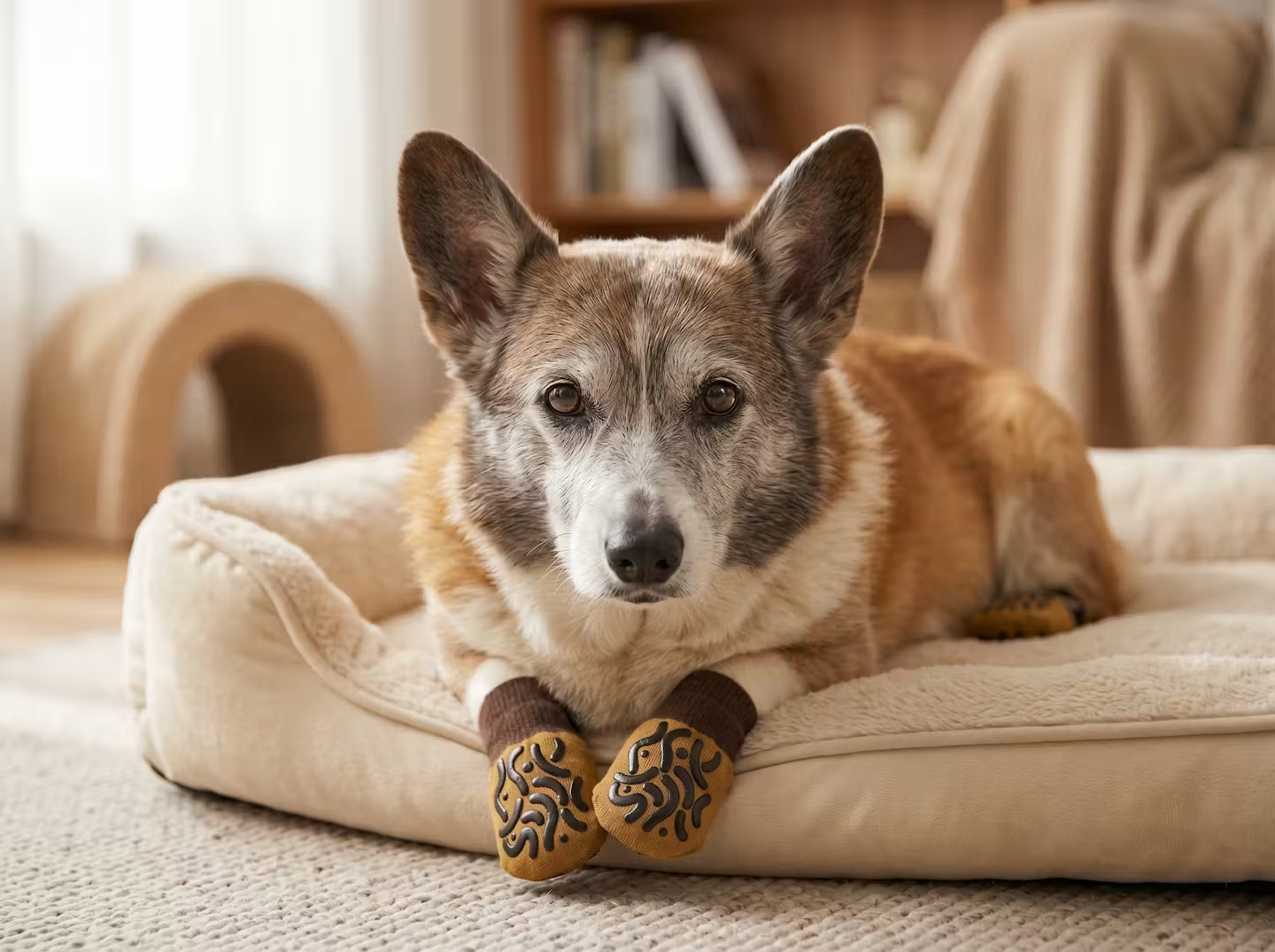
Aging dogs are experts at masking discomfort. Many of the clearest warning signs of a health issue in a senior dog are easy to write off as "just getting older" — which is exactly why vets say they're so often missed until a problem is more advanced.
1. Changes in water intake
A dog suddenly drinking noticeably more or less water can signal anything from kidney issues to diabetes. It's one of the most overlooked early indicators simply because it happens gradually.
2. Reluctance on stairs or furniture
Hesitation before a jump a dog used to make without thinking is often chalked up to "slowing down." Sometimes it is just age — but it can also point to joint pain, arthritis, or in some breeds, early spinal issues.
3. Weight changes without a diet change
Losing or gaining weight while eating the same amount and getting the same exercise is one of the more reliable signals that something metabolic is going on internally.
4. Bad breath that's new or worse
Dental disease is one of the most common — and most treatable — issues in older dogs, but owners often assume "dog breath" is just normal.
5. Increased clinginess or withdrawal
A senior dog who suddenly wants to be near you constantly, or one who starts avoiding interaction, is communicating the only way they can. Behavior change is frequently the very first sign something is wrong, before any physical symptom appears.
None of these signs mean panic is warranted — many have simple, manageable explanations. But vets consistently recommend treating any of the above as a reason for a checkup rather than a wait-and-see approach, since catching issues early is almost always easier and cheaper to treat than catching them late.