Why Cats Knead Blankets — And What It Actually Means

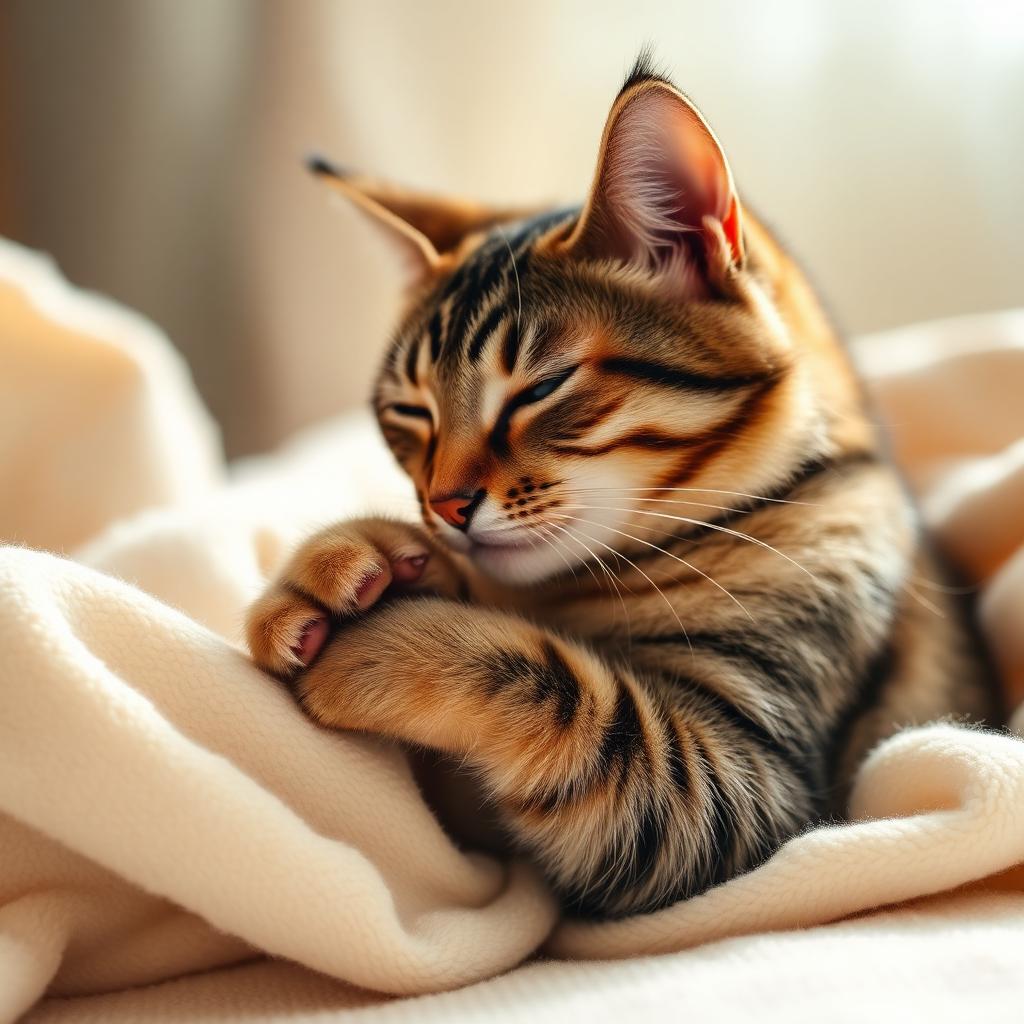
If you've ever had a cat rhythmically press its paws into a blanket, your lap, or a soft bed before curling up, you've seen one of the most universal — and most misunderstood — cat behaviors.
The kitten explanation
Kneading is believed to originate in kittenhood, when nursing kittens instinctively press against their mother to stimulate milk flow. Many cats simply never "grow out" of the motion, and it becomes a self-soothing behavior carried into adulthood.
Why it happens on soft objects specifically
Cats tend to knead on textures that resemble their mother's fur or belly — blankets, plush beds, and even a favorite person's sweater are common targets. It's a strong sign of comfort and security, not a random quirk.
The scent-marking theory
Cats have scent glands in their paw pads, and some behaviorists believe kneading also serves as a way of marking territory as "safe" — which is part of why cats often knead an object right before settling in to sleep.
Should you discourage it?
In most cases, no — kneading is a normal, healthy behavior. The main exception is if claws are causing damage or discomfort, in which case a soft blanket specifically for kneading, combined with regular nail trims, usually solves the issue without needing to discourage the behavior itself.
When it's worth watching
Kneading paired with excessive drooling, wool-sucking, or fabric-eating (a behavior sometimes called pica) is worth mentioning to a vet, as it can occasionally point to early weaning or, less commonly, a nutritional or behavioral issue worth ruling out.
For the vast majority of cats, though, kneading is simply one of the clearest signals a cat can give that it feels safe and content — which is exactly why so many owners find it endearing rather than strange.