A Beginner's Guide to Keeping Pet Rabbits Indoors

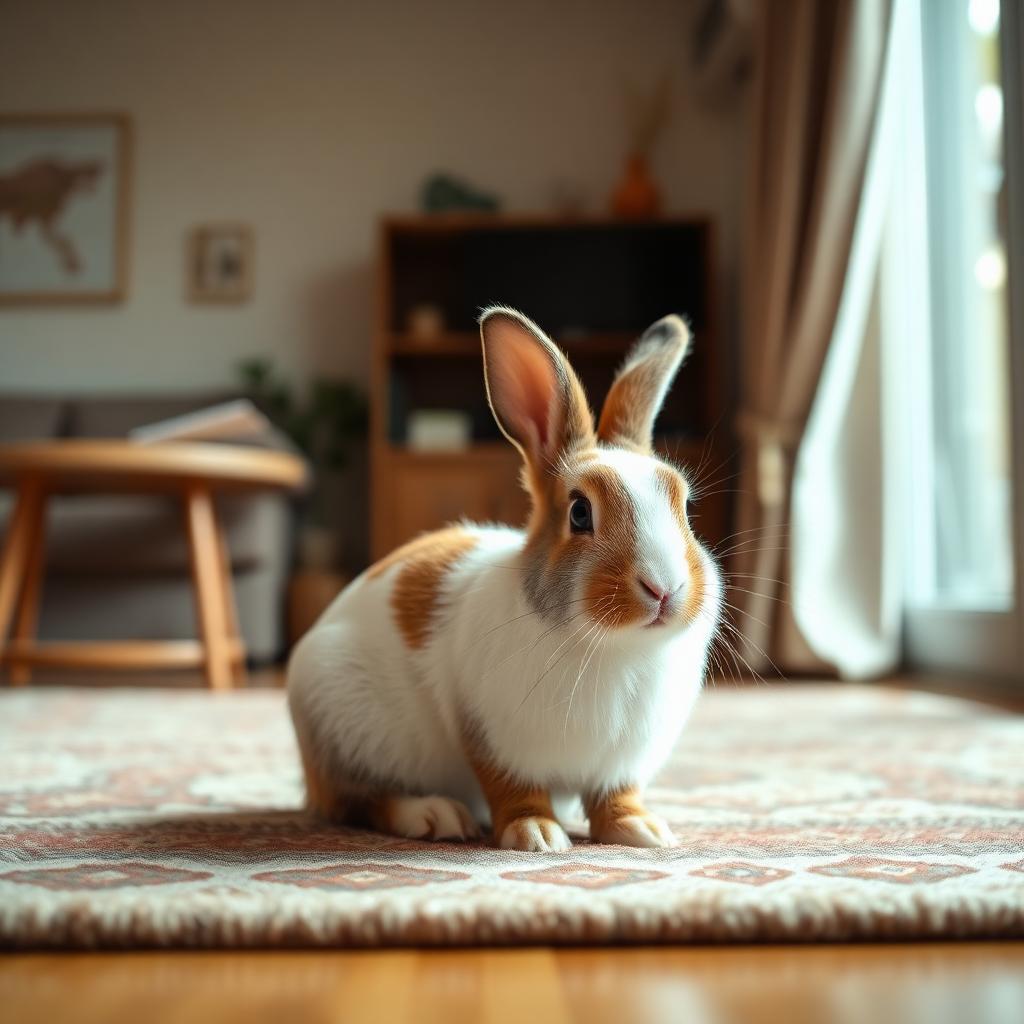
Rabbits are one of the most commonly surrendered pets in the U.S. — largely because new owners underestimate how much space, enrichment, and daily interaction they actually need. Here's what a genuinely rabbit-friendly indoor setup looks like.
Space matters more than the cage
Most commercially sold "rabbit cages" are far too small for full-time housing. The current recommendation from rabbit welfare organizations is a minimum of 8 square feet of continuous living space, plus several hours of supervised free-roam time daily — an exercise pen setup is almost always a better long-term investment than a traditional small hutch.
Rabbit-proofing is non-negotiable
Rabbits chew instinctively, and unprotected electrical cords are a genuine safety hazard. Cord protectors, blocked-off cable areas, and rabbit-safe chew toys (untreated willow, apple sticks, or cardboard) redirect the behavior safely.
Litter training is realistic — and expected
Most rabbits can be litter trained fairly reliably, especially once spayed or neutered, which also reduces territorial marking behavior significantly.
Diet basics
Unlimited access to fresh grass hay (like timothy hay) should make up the majority of a rabbit's diet — not pellets, and not the mixed "muesli"-style food that's still common on store shelves but increasingly discouraged by rabbit-specific vets due to selective eating and dental issues. Fresh leafy greens daily and a measured amount of pellets round out a healthy diet.
Social needs are real
Rabbits are a naturally social species, and a single rabbit living without much interaction is at real risk of loneliness-related stress. Many rabbit-specific rescues actively recommend adopting bonded pairs for exactly this reason.
Done right, a well-set-up indoor rabbit is an engaging, surprisingly interactive pet — but it's a bigger commitment than the small-cage-and-carrot image most people start with expects.