Parrot Enrichment 101: Keeping Smart Birds Mentally Stimulated

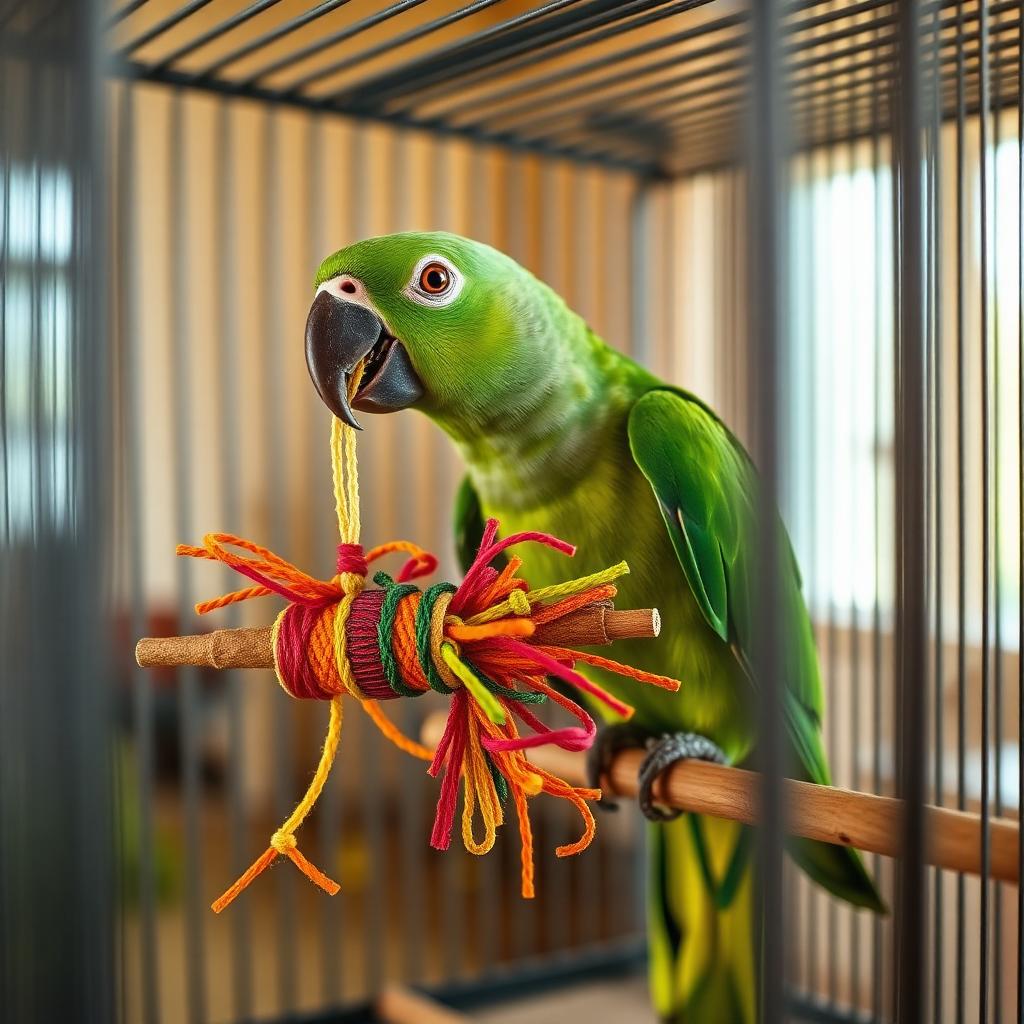
Parrots are frequently compared to toddlers in terms of cognitive ability and emotional need for engagement — and an under-stimulated parrot is one of the most common root causes of feather plucking, excessive screaming, and other stress behaviors owners struggle with.
Why enrichment matters so much for this species
In the wild, parrots spend the majority of their waking hours foraging, problem-solving, and socializing. A cage with just food, water, and a couple of static toys replicates almost none of that — which is why boredom-driven behavioral issues are so common in captive birds specifically.
Foraging toys change everything
Rather than a food bowl, hiding food inside foraging toys, puzzle feeders, or simply wrapped in paper forces a bird to "work" for meals the way it would in the wild — and is one of the single most effective enrichment changes an owner can make.
Rotate toys weekly
Parrots habituate to unchanging environments quickly. Keeping a rotating supply of toys — even just rotating which ones are currently in the cage — keeps novelty high without requiring constant new purchases.
Training sessions count as enrichment too
Short, positive-reinforcement training sessions (even simple tricks) provide mental stimulation on par with physical toys, and have the added benefit of strengthening the bird's relationship with its owner.
Social time is not optional
Many parrot species are highly social in the wild and can develop real distress when left alone for long stretches. Daily out-of-cage time and direct interaction are considered a baseline requirement for these species, not a bonus.
Signs enrichment needs are unmet
Feather plucking, excessive vocalization, and repetitive pacing or cage-bar biting are frequently behavioral, not medical — though it's still worth ruling out a medical cause with an avian vet before assuming it's purely enrichment-related.
A well-enriched parrot is dramatically easier to live with — and given how long-lived many parrot species are (decades, in many cases), building a real enrichment routine early pays off for the life of the bird.